01 / Sized
One colour per size.
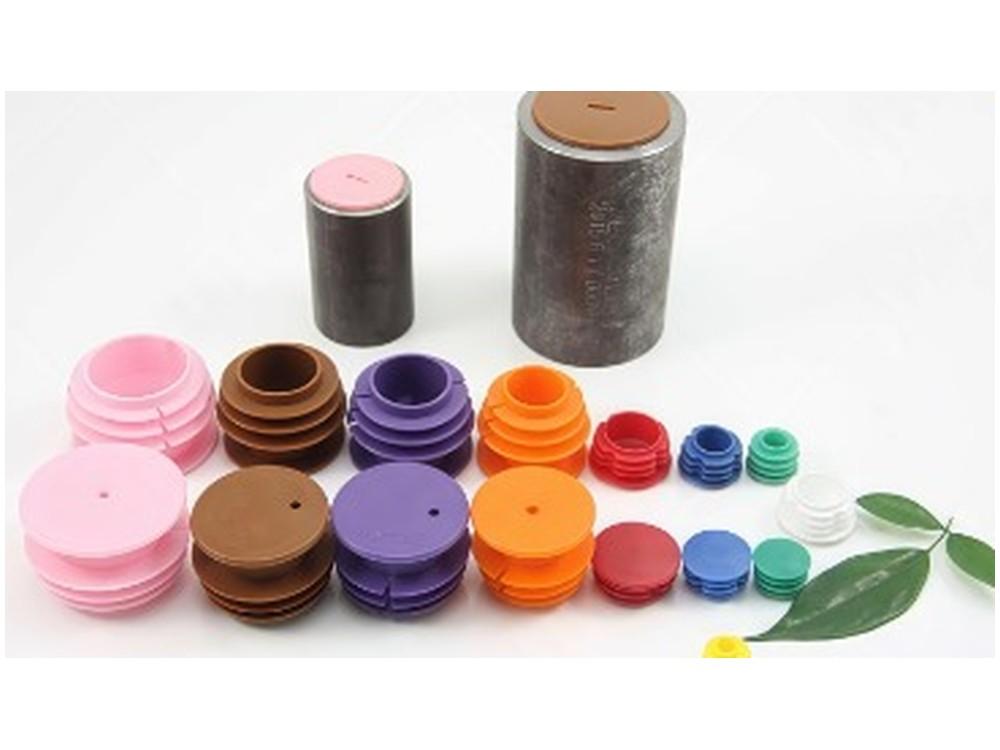
Five sizes cover the range, and each is moulded in its own colour. A fixer reads the size off the cap at a glance instead of measuring, and a bar wearing the wrong cap stands out from across the deck.

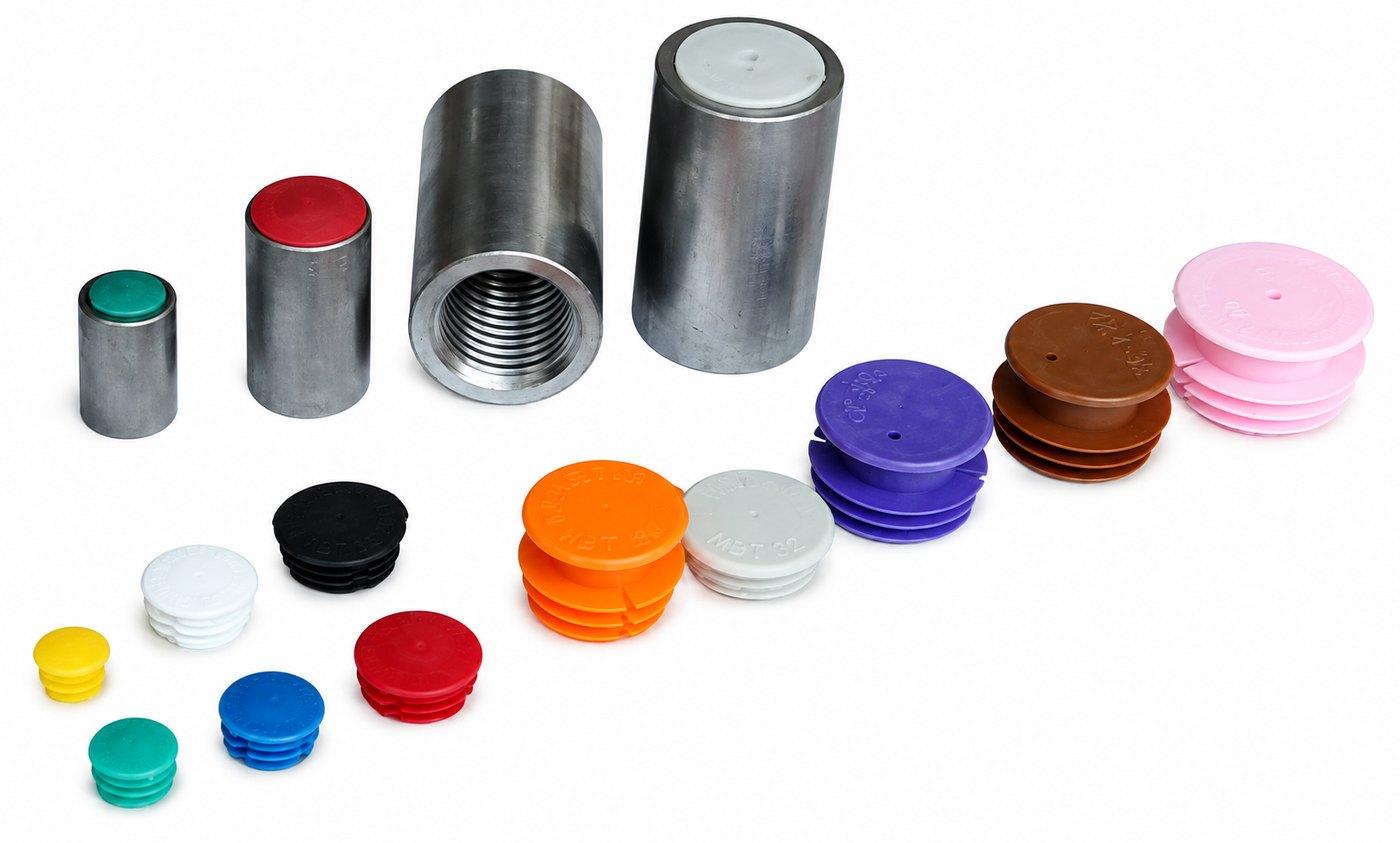
Colour-coded caps in 12, 16, 20, 25 and 32 mm that shield cut threads from impact, dust and corrosion.
A high-strength protective cap engineered to shield rebar threads from impact damage, deformation, dust and corrosion. It keeps the thread clean and intact through storage, transport and handling on site, so the splice it was cut for still goes together properly weeks later.
A cut thread is only as good as its condition when it reaches the coupler. Between the works and the splice a projecting bar end takes knocks from plant, gets walked on, and sits open to dust and rain for as long as the programme leaves it there — and a bruised or rusted thread is a splice that has to be cut off and redone.
The caps are colour-coded by size, so the right cap for a bar is obvious on a busy deck and a wrong one is obvious too. They can be supplied loose or already fitted to the bar before dispatch.
The cap does its job in the gap the programme leaves between threading a bar and joining it — which on a staged pour can be weeks.
Five sizes cover the range, and each is moulded in its own colour. A fixer reads the size off the cap at a glance instead of measuring, and a bar wearing the wrong cap stands out from across the deck.
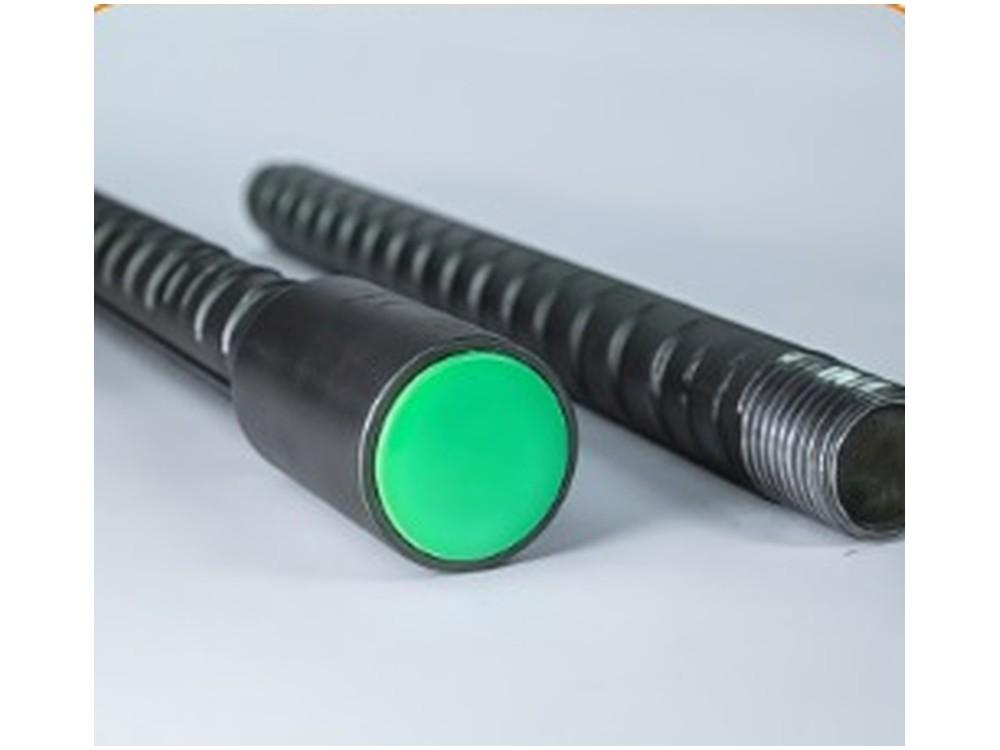
The cap seats over the full thread length and grips on the ribs, so it stays put through loading and transport. Fitted at the works before dispatch, or supplied loose to go on at the yard.
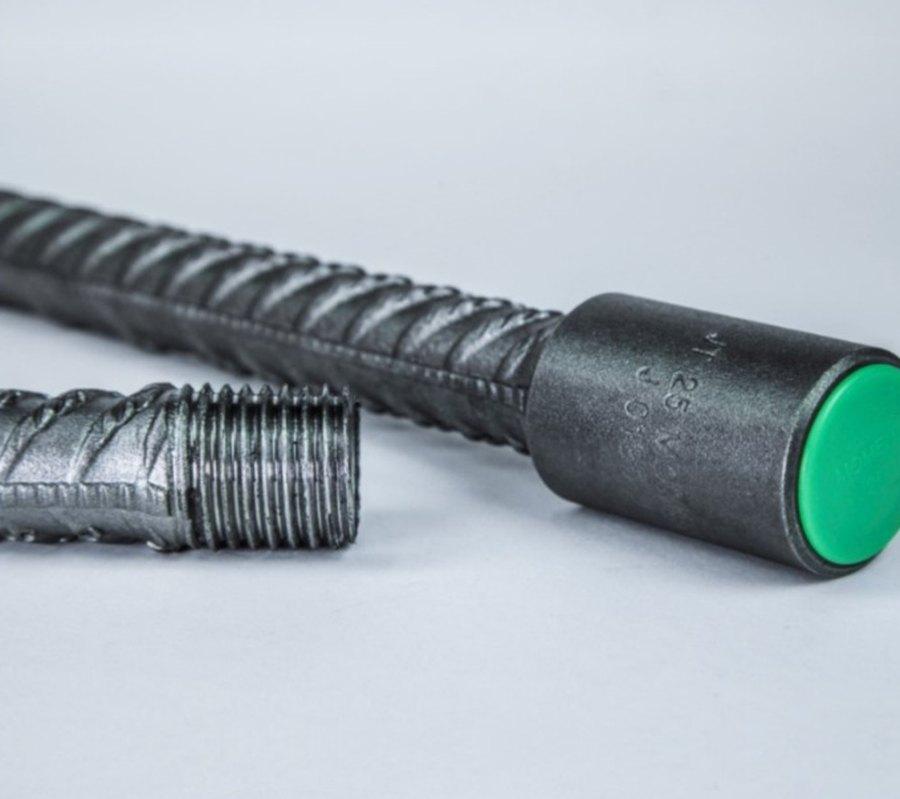
Pulled at the joint, leaving the full form of the thread exactly as it was cut — no burrs, no rust, no packed grit — for the coupler to run straight on.
Available in 12, 16, 20, 25 and 32 mm. Each size has its own colour, so a bar with the wrong cap on it is visible from across the deck.
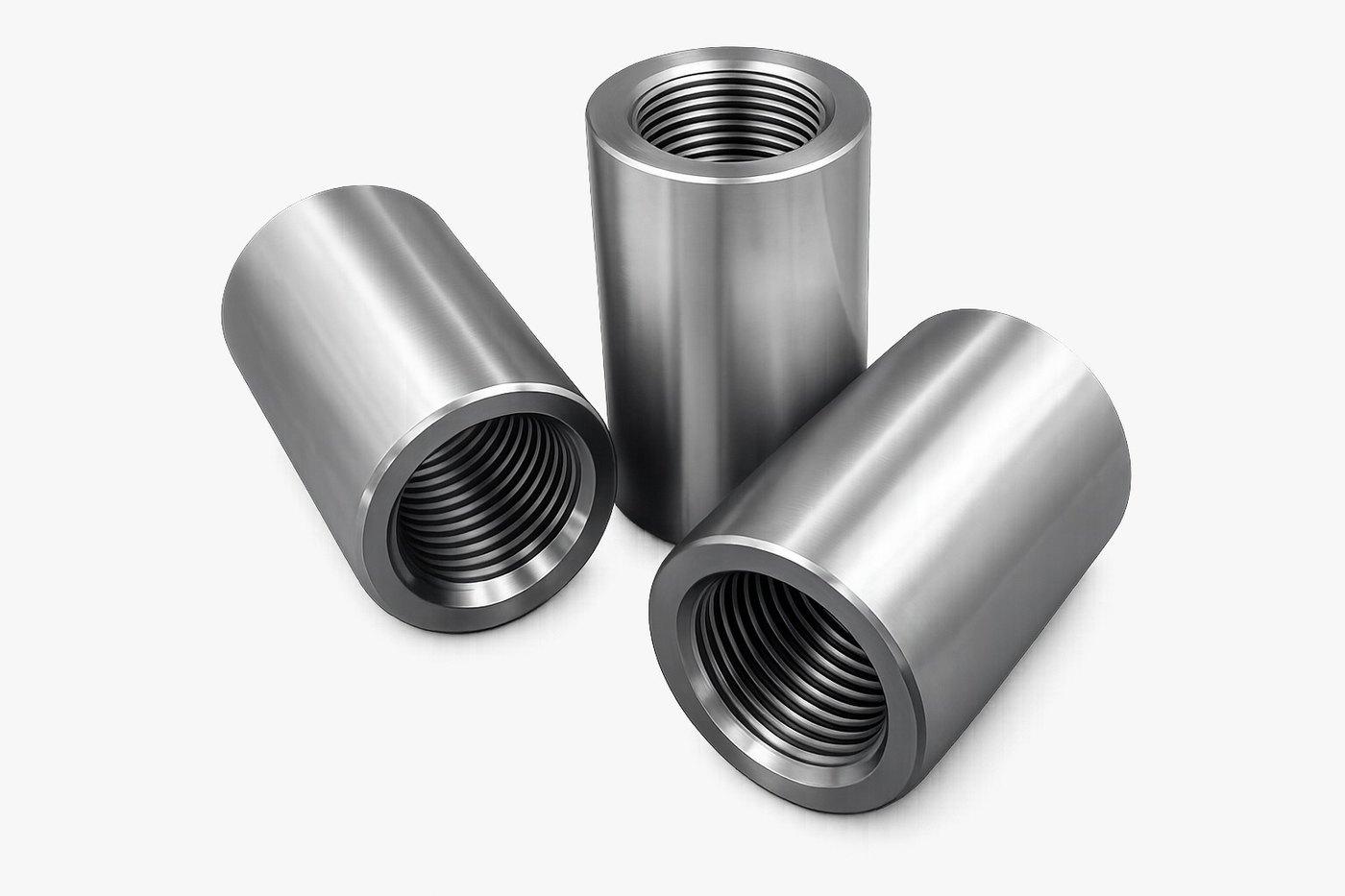
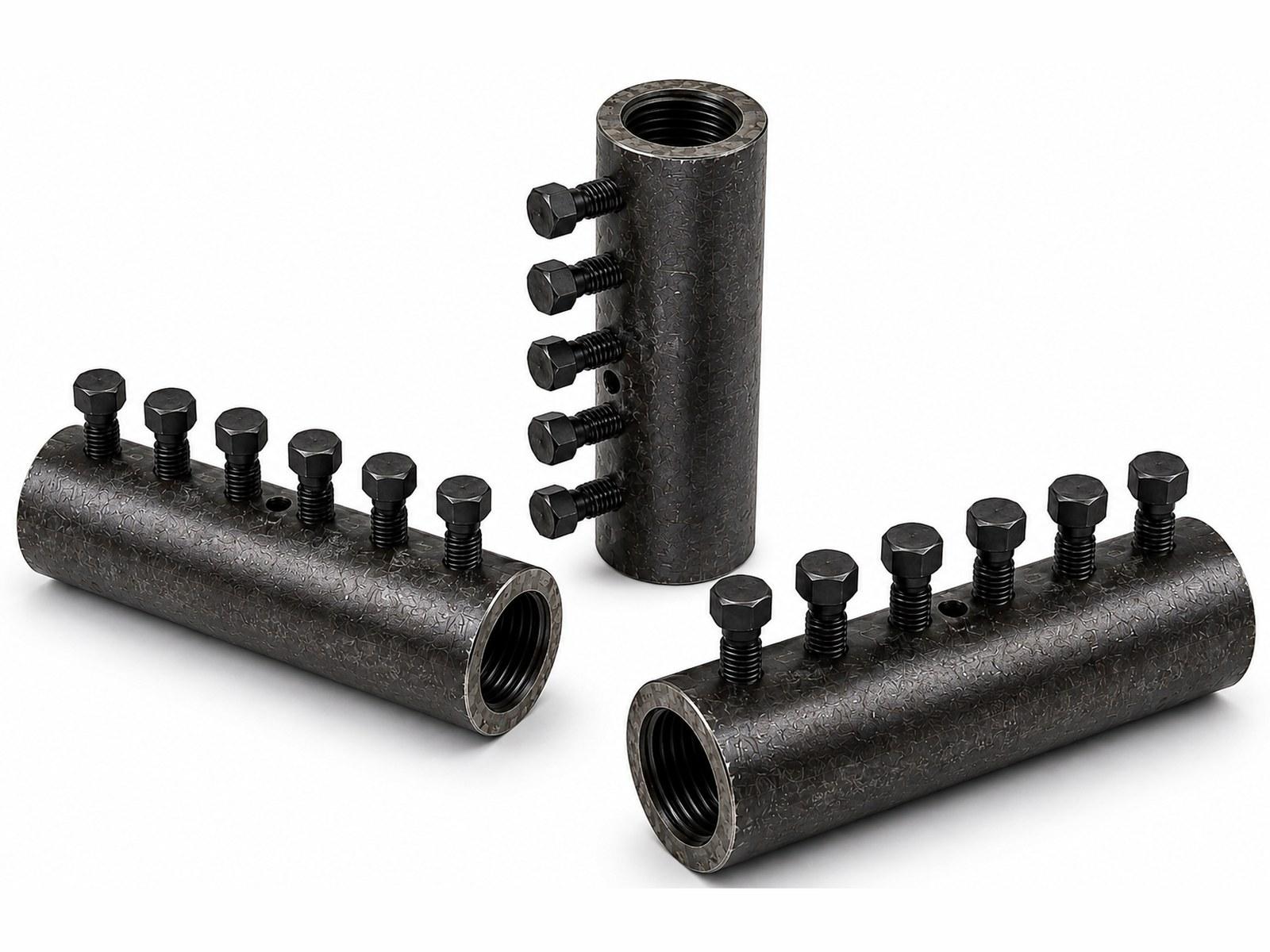
A coupler earns its place wherever the reinforcement is too heavy, the joint too congested, or the pour too far apart in time for an overlap to be practical.
Column and shear-wall bars are joined floor by floor with no lap, so the cage stays open enough to place and vibrate concrete properly.
Piers, pier caps and decks are poured in stages. The thread waits under a cap and the next pour connects at full bar strength.
Viaducts, track slabs and station boxes, where every splice is inspected and has to carry documentation to the project authority.
The joint develops the bar, so force passes between bars instead of through the concrete around a lap.
No hot work, no welder qualification, no heat-affected zone to argue about in an inspection.
A lap doubles the steel at exactly the busiest point of a column. One sleeve does not.
Lap length is steel bought, cut, bent and tied purely to be overlapped. A coupler removes it from the order.
Thread, cap, deliver. On site the bar is offered up and turned in — no measuring out a lap.
Threads are cut to one standard and tested, so the joint made in month nine matches the joint made in month one.